
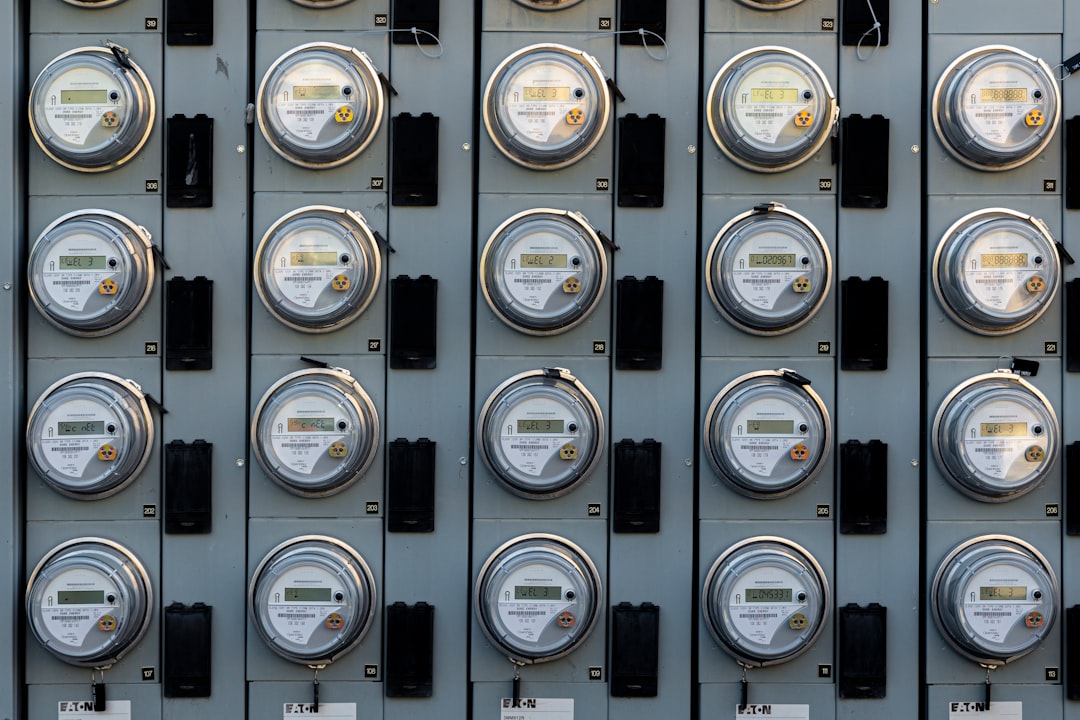
Knowing how to read electric meter readings at home is one of the most practical skills any US homeowner can develop. Whether you’re tracking your energy consumption, verifying utility company charges, or simply curious about your household electricity usage, learning to read your electric meter takes just a few minutes. This guide walks you through everything you need to know about understanding your meter, identifying meter types, and interpreting the numbers that appear on your display.
What Is an Electric Meter and Why Does It Matter?
An electric meter is the device installed by your utility company that measures how much electrical energy your home consumes. Located on the exterior of your house, typically near your main electrical panel, the meter continuously tracks kilowatt-hours (kWh) of electricity flowing into your home. Understanding what your meter displays directly connects to the bill you receive each month from your utility provider. The more kilowatt-hours you use, the higher your bill—making meter reading a valuable tool for understanding your energy costs.
Modern homes in the United States use either analog meters (with spinning dials) or digital meters (with LCD displays). Both serve the same purpose but display information differently. Additionally, some newer homes have smart meters that send readings directly to utility companies. Regardless of which type you have, the basic principle remains the same: your meter measures energy consumption in kilowatt-hours.
How to Read Your Electric Meter: Step-by-Step Instructions
Reading your electric meter depends on whether you have an analog or digital display. Let’s break down both methods so you can identify and read your specific meter type with confidence.
For Digital Meters: Digital meters are the simplest to read. Simply look at the LCD display on your meter and write down the five or six-digit number you see. For example, if your display reads 45782, your home has used 45,782 kilowatt-hours since the meter was installed. Some digital meters may show additional information like voltage (typically 120V or 240V) or current usage, but the main number is what matters for your utility bill. Digital meters eliminate guesswork entirely—there’s no interpretation needed.
For Analog Meters: Analog meters feature four or five rotating dials with numbers from 0 to 9. Reading them requires slightly more attention. Start from the leftmost dial and record the number the pointer has just passed. The key rule: always read the lower number when a pointer falls between two digits. As a result, if a pointer is between 3 and 4, you record 3. Continue this process for each dial from left to right. Once you’ve recorded all five numbers, you have your meter reading.
Let’s work through an example. If your analog meter’s five dials read (from left to right): the pointer just passed 1, is between 4 and 5 (record 4), just passed 7, is between 2 and 3 (record 2), and just passed 9, your meter reading is 14729 kilowatt-hours.
Understanding Kilowatt-Hours and Your Energy Usage
Your electric meter measures consumption in kilowatt-hours, which is the standard unit used across the United States for residential electricity billing. One kilowatt-hour equals 1,000 watts of electricity used for one hour. For example, a 40-amp electric dryer running for one hour consumes roughly 5 kilowatt-hours of energy.
To calculate your monthly usage, subtract your previous meter reading from your current reading. If your meter showed 45,200 kWh last month and now shows 45,782 kWh, you’ve used 582 kilowatt-hours during that billing period. Your utility company multiplies this number by your local rate per kilowatt-hour (typically between $0.10 and $0.15 in most US regions) to determine your bill before taxes and fees.
Understanding this relationship helps you identify which appliances consume the most energy. A refrigerator running continuously might use 30-40 kWh per month, while an electric water heater could consume 300-400 kWh monthly. If you’re concerned about rising energy costs, using the Electric Load Calculator for Home Appliances Guide can help you identify which devices are consuming the most power in your home.
Common Meter Reading Issues and How to Avoid Them
Several mistakes can occur when reading electric meters, and understanding these errors helps you verify your utility bill accurately.
- Writing down numbers in the wrong order is the most common mistake with analog meters, so always read from left to right and double-check your work before recording the final number.
- Misidentifying which number a pointer has passed on an analog meter happens frequently, which is why remembering the “lower number” rule prevents costly errors in your calculations.
- Ignoring trailing zeros can lead to incorrect readings, so always record all five or six digits your meter displays, including any zeros in the sequence.
- Confusing your current reading with the meter’s total lifetime kilowatt-hours is easy to do, but your utility bill only cares about the difference between readings, not the absolute number.
- Failing to account for smart meter displays that may show different screens or require scrolling through menus means you should consult your utility company’s documentation if you’re unsure which screen shows your consumption.
- Attempting to read your meter during low-light conditions can cause misreading analog dials, so always read your meter during daylight hours or with adequate lighting for accuracy.
When Should You Read Your Electric Meter?
Most homeowners don’t need to read their meter monthly since utility companies handle this automatically. However, reading your meter regularly offers several advantages. You can verify that your utility company’s reading matches your own, catch billing errors early, and monitor whether your energy consumption is increasing or decreasing over time.
If you suspect an error on your electric bill, reading your meter on the bill date allows you to compare your number against what the utility company charged you for. Furthermore, taking monthly readings helps you identify seasonal patterns in your energy use. For instance, you might notice higher consumption during summer months when air conditioning runs constantly at 240V, or during winter when electric heating operates more frequently.
For homeowners serious about energy management, learning how to calculate your home’s electrical load becomes valuable. The Home Electric Load Calculator: Save 30% on Bills in 2026 provides a free tool to analyze which appliances and systems consume the most power, enabling you to make informed decisions about energy efficiency upgrades.
Smart Meters: The Future of Electric Meter Reading
Many utility companies across the United States have begun installing smart meters in homes. These advanced meters automatically transmit your consumption data to the utility company, eliminating the need for manual meter reading. Smart meters offer real-time usage information that homeowners can access through online portals or mobile apps provided by their utility companies.
If your home has a smart meter, you likely have access to hourly or even 15-minute interval usage data. This granular information reveals exactly when you’re consuming the most electricity, making it easier to identify which devices or habits drive your consumption. However, the fundamental principle remains identical: electricity consumption is measured in kilowatt-hours and billed accordingly.
Whether your home has a traditional analog meter, a digital meter, or a smart meter, understanding how to read electric meter information empowers you to take control of your energy costs. Additionally, many utility companies provide tools on their websites to help you analyze your usage patterns alongside meter reading information.
Why Accurate Meter Reading Matters for Your Wallet
An error in meter reading—whether by you or your utility company—directly impacts your monthly bill. According to the U.S. Energy Information Administration, the average US household consumes approximately 877 kilowatt-hours per month. If your meter reading were off by