
Learn the complete electrical panel upgrade cost breakdown for US homes. See labor, materials & permit fees. Get free calculations inside.
What is an Electrical Panel Upgrade and Why Do Homeowners Need One?
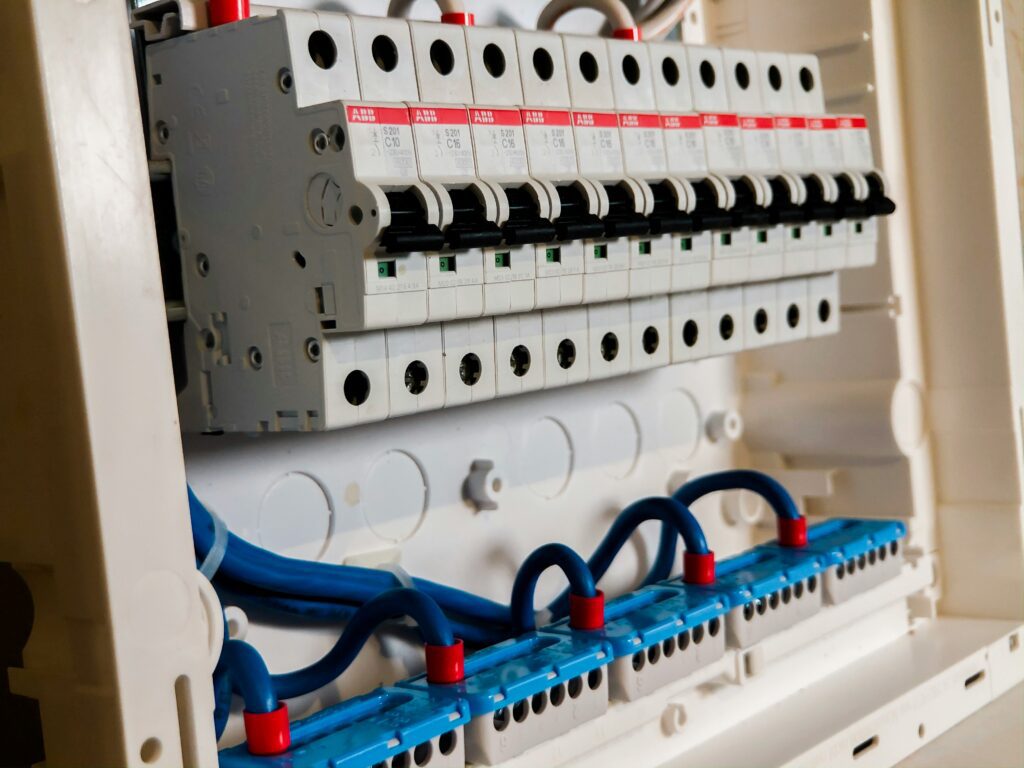
An electrical panel upgrade cost breakdown is essential information for any homeowner considering modernizing their electrical system. Your home’s electrical panel, also called a breaker box or service panel, is the central hub that distributes electricity throughout your house. When you flip a light switch or plug in an appliance, the electricity flows from the main utility line through your panel and out to individual circuits protected by breakers.
Many older homes in the United States still have 100 Amp panels that were installed decades ago when electrical demands were significantly lower. Today’s homes have more appliances, higher energy consumption, and greater power requirements. If you’re experiencing frequent breaker trips, dimming lights when appliances start, or planning a major renovation, you may need a panel upgrade. Additionally, if you want to add electric vehicle charging, a new air conditioning system, or modern kitchen appliances, understanding the electrical panel upgrade cost breakdown helps you budget appropriately.
Breaking Down the Main Cost Components of an Electrical Panel Upgrade
The total cost of upgrading your electrical panel consists of several distinct components. The average electrical panel upgrade costs between $3,000 and $6,000 in most US markets, though prices vary significantly by region and complexity. Let’s examine each cost category in detail to understand where your money goes.
- The service panel itself (100 Amp to 200 Amp unit) typically costs $400 to $800, depending on brand and amperage rating, and represents the hardware component of your electrical panel upgrade cost breakdown.
- Labor for installation normally ranges from $2,000 to $3,500, as electricians must carefully disconnect the existing system, install the new panel, and reconnect all circuits safely according to NEC code.
- Permit and inspection fees charged by your local building department typically run $200 to $500 and are non-negotiable for legal compliance in most jurisdictions.
- Breaker replacements and additional circuits may add $300 to $1,000 if your upgrade includes new 240V circuits for major appliances or if old breakers need replacement.
- Utility company fees for disconnecting and reconnecting your service line range from $100 to $300 and are sometimes waived depending on your local power company’s policies.
- Miscellaneous materials like new wire, conduit, and hardware typically cost $200 to $400 and are usually included in the electrician’s labor estimate.
For a detailed understanding of pricing tiers, check our 200 Amp Panel Cost & Upgrade Guide which breaks down costs by region and panel type.
How Much Does a Licensed Electrician Charge for Panel Installation?
Labor represents the largest portion of any electrical panel upgrade cost breakdown, typically consuming 40 to 60 percent of your total budget. A licensed electrician’s hourly rate in the United States ranges from $50 to $150 per hour, with experienced electricians in major metropolitan areas commanding premium rates.
Panel upgrades typically require 6 to 10 hours of skilled labor, which explains why labor costs reach $2,000 to $3,500. However, the actual time varies based on several factors: whether your home has underground or overhead service lines, the condition of existing wiring, accessibility of the panel location, and local electrical code requirements. Furthermore, if your electrician discovers deteriorated wiring or outdated equipment during the job, costs can increase significantly.
For homeowners upgrading from a 100 Amp panel to a 200 Amp panel, our resource on 100 Amp to 200 Amp Panel Upgrade Cost provides specific labor estimates for this common upgrade path.
What About Permits and Inspections in Your Electrical Panel Upgrade?
You absolutely cannot skip permits and inspections when upgrading an electrical panel—doing so creates serious liability and safety risks. The permit and inspection portion of your electrical panel upgrade cost breakdown typically adds $200 to $500, though prices vary by municipality.
When you pull a permit, your local building department officially documents the upgrade, which protects you legally and helps maintain your home’s property value. During the inspection process, a qualified inspector verifies that your electrician followed all NEC (National Electrical Code) requirements and local building codes. The inspection process typically occurs at two stages: once after the initial panel installation and again after all circuits are reconnected and tested.
Some homeowners mistakenly think they can avoid this step to save money, but unpermitted electrical work can void homeowner’s insurance coverage, create problems during property sales, and increase fire and shock hazards. Additionally, if something goes wrong in an unpermitted system, you have no legal recourse against the contractor.
Understanding Additional Costs: New Breakers, Wire Sizes, and 240V Circuits
Beyond the basic panel replacement, additional costs often appear in the electrical panel upgrade cost breakdown when homeowners need new circuits or breaker replacements. If you’re adding a new air conditioning system (typically 40 to 50 Amp breaker), electric water heater (30 to 50 Amp), or EV charging station (30 to 50 Amp), each new 240V circuit costs $150 to $300 in materials and labor.
Wire sizing follows strict NEC regulations based on amperage requirements. For example, a 20 Amp breaker requires 12 AWG wire, a 30 Amp breaker requires 10 AWG wire, a 40 Amp breaker requires 8 AWG wire, and a 50 Amp breaker requires 6 AWG wire. Heavier gauge wire (lower numbers) costs more per linear foot but is necessary for safe operation. The distance from the panel to the appliance also affects wire costs—a 50-foot run costs considerably more than a 20-foot run.
To calculate your home’s actual electrical load and determine what panel size and breaker configuration you truly need, use the free electrical load calculator at myelectriccalc.com to see exactly what amperage your home demands.
Regional Price Variations and Money-Saving Strategies
Electrical panel upgrade costs vary dramatically across the United States. In rural areas and the Midwest, upgrades often cost $3,000 to $4,000, while California, New York, and other high-cost states frequently see prices between $5,000 and $8,000 or higher. Electrician availability, local labor rates, and regional code requirements all influence pricing.
To reduce your overall costs, consider these strategies: First, ensure your current setup truly requires the higher amperage—oversizing your panel wastes money on unnecessary capacity. Second, consolidate your upgrade with other electrical work to maximize your electrician’s time efficiency. Third, get quotes from at least three licensed electricians and compare detailed estimates line-by-line.
If you’re concerned about whether you actually need a larger panel, our guide on How to Reduce Electrical Load at Home: Expert Tips explores methods to optimize your current system before committing to an upgrade.
According to the U.S. Energy Information Administration, the average American home now uses approximately 10,500 kilowatt-hours annually—nearly double the consumption from 40 years ago—which explains why many older panels need upgrading to handle modern electrical demands safely.
Timeline and Process: What to Expect During Your Electrical Panel Upgrade
Understanding the timeline helps you plan your electrical panel upgrade cost breakdown more effectively. The typical residential panel upgrade requires 1 to 2