
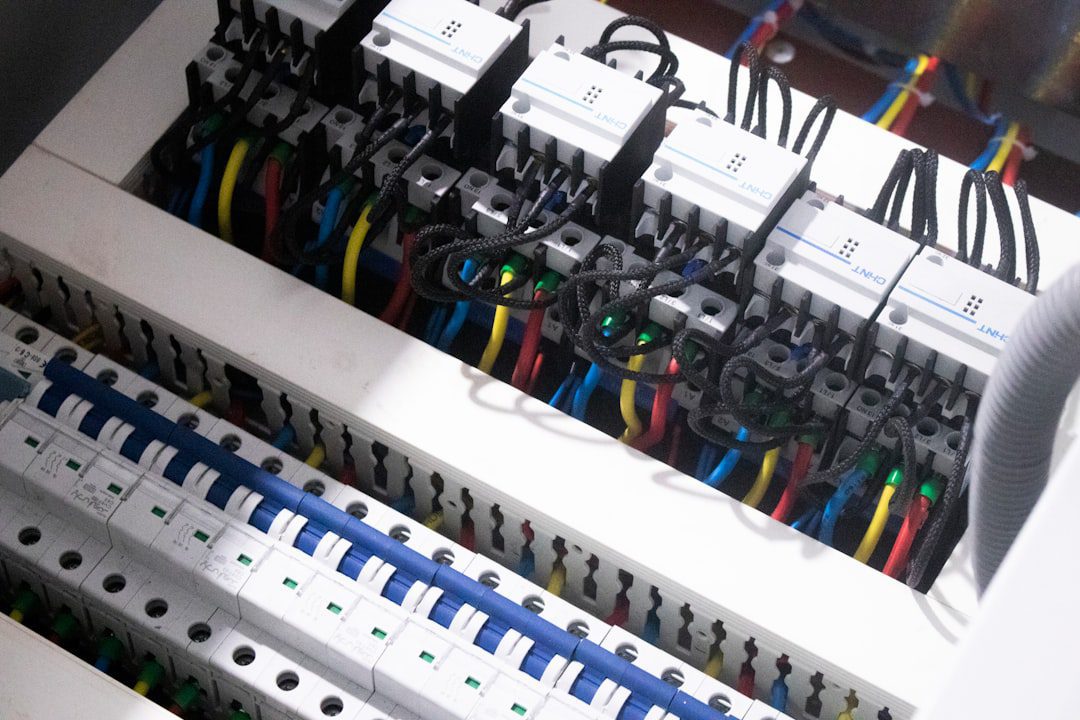
NEC Electrical Load Calculation for Homes: A Complete Guide for US Homeowners
Understanding NEC electrical load calculation for homes is essential whether you’re planning a kitchen renovation, adding a new appliance, or upgrading your entire electrical panel. The National Electrical Code (NEC) provides strict guidelines that every electrician and homeowner should follow to ensure safe, compliant electrical installations across the United States. This comprehensive guide walks you through the process step-by-step, helping you understand how to calculate electrical loads, determine proper breaker sizes, and select the right wire gauges for your home.
The electrical load calculation process might seem intimidating at first, but it’s simply a mathematical method to determine how much electrical power your home or a specific circuit needs. Getting this right protects your family from electrical fires, ensures your appliances run efficiently, and keeps your home compliant with the National Electrical Code. Let’s break down everything you need to know about residential electrical load calculations.
What Is an NEC Electrical Load Calculation?
An NEC electrical load calculation determines the total amount of electrical power (measured in amperes or amps) that a circuit, appliance, or entire home requires to operate safely. The NEC, published by the National Fire Protection Association (NFPA), sets the minimum standards for electrical installation in all 50 states. These calculations ensure that circuit breakers are properly sized, wires can handle the current without overheating, and your home’s electrical system operates within safe limits.
When you perform an electrical load calculation, you’re essentially answering this question: How many amps does this circuit or appliance need? Once you know the answer, you can select an appropriately sized circuit breaker and wire gauge. According to the U.S. Consumer Product Safety Commission, improper electrical installations cause approximately 51,000 home fires annually, making accurate load calculations a literal matter of home safety.
For residential applications, most home circuits operate at either 120 volts or 240 volts. Single circuits typically run 15 amps or 20 amps for standard outlets and lights, while larger appliances like electric ranges, water heaters, and air conditioning units require 30 amps, 40 amps, or even 50 amps on dedicated 240-volt circuits.
How to Calculate Electrical Load: The NEC Formula
The basic formula for electrical load calculation is straightforward: Watts ÷ Volts = Amperes (Amps). However, the NEC also requires you to apply a 125% safety factor to continuous loads, which means multiplying the calculated amps by 1.25. This extra capacity prevents breakers from nuisance tripping and keeps your system safe during normal operation.
Here’s a practical example: If your dishwasher draws 1800 watts on a 120-volt circuit, the calculation would be 1800 ÷ 120 = 15 amps. Since the dishwasher runs continuously, you’d multiply by 1.25: 15 × 1.25 = 18.75 amps. According to NEC standards, you’d install a 20-amp breaker (the next standard size up) and use 12 AWG wire, which is rated for 20 amps.
Understanding the Electrical Load Calculation Formula: Complete Guide will help you apply these principles to any circuit in your home. For more complex calculations involving multiple circuits and your entire home’s demand, you can use the Electrical Load Calculation Online: Free Guide & Tools 2026 available at myelectriccalc.com, which automatically applies NEC requirements and eliminates calculation errors.
Standard Wire Gauges and Breaker Sizes for US Homes
Once you’ve calculated the amperage requirement, you need to select the correct wire gauge and breaker size. In the United States, residential wiring uses American Wire Gauge (AWG) sizes. Here’s what you need to know about the most common residential combinations:
- 14 AWG wire is rated for 15 amps maximum and requires a 15-amp circuit breaker, typically used for standard lighting circuits and low-draw outlets.
- 12 AWG wire is rated for 20 amps maximum and requires a 20-amp circuit breaker, the most common size for kitchen countertops, bathrooms, and general-purpose circuits.
- 10 AWG wire is rated for 30 amps maximum and requires a 30-amp circuit breaker, used for medium-load appliances like electric clothes dryers on some models.
- 8 AWG wire is rated for 40 amps maximum and requires a 40-amp circuit breaker, commonly used for large electric dryers, small water heaters, or cooktops.
- 6 AWG wire is rated for 55 amps maximum and requires a 50-amp or 60-amp circuit breaker, used for major appliances like electric ranges or large central air conditioning units.
- 4 AWG wire and larger are reserved for main service panels, subpanels, and the utility company’s service entrance connections above 60 amps.
The key rule is simple: wire gauge and breaker size must always match. Never pair 12 AWG wire with a 30-amp breaker, for example—the wire would overheat and create a fire hazard before the breaker could trip. Always select the breaker size that matches your wire’s amp rating, and use the Electrical Load Calculation for Home: Complete Guide to verify your selections are NEC-compliant.
NEC Load Calculation Requirements for Your Whole Home
When calculating the electrical load for your entire house, the NEC uses a demand factor system rather than simple addition of all circuits. This is because not every appliance runs at full capacity simultaneously. Additionally, the NEC recognizes that homes don’t use all circuits at once, so it allows for a reduced calculated load rather than requiring your panel to handle every appliance running at full power at the same time.
For a typical US residential home, you’ll start by calculating the general lighting load (3 watts per square foot), adding all appliance loads (water heater, range, HVAC, etc.), and then applying demand factors. For example, your first 3000 watts of general load might be calculated at 100%, but additional loads above 3000 watts only count at 35%. This is why hiring a professional electrician or using a reliable calculation tool is so important—one mistake in applying demand factors can lead to an undersized panel or unnecessary (and costly) oversizing.
Most single-family homes in the United States require either a 100-amp, 150-amp, or 200-amp main service panel. Older homes might have 60-amp service, which is no longer permitted for new construction under current NEC code. A 100-amp panel serves smaller homes without major electric heating or appliances. A 150-amp panel handles moderate homes with standard electric appliances. A 200-amp panel is ideal for larger homes, homes with electric heating, or homes planning future expansions.
Common Home Appliance Amperage Requirements
Understanding typical appliance amperage helps you plan circuits correctly. Here are realistic amperage values for common US household appliances: a standard microwave requires 12–15 amps, a dishwasher needs 15 amps, an electric water heater typically draws 30–50 amps on a dedicated 240-volt circuit, a central air conditioning unit requires 30–50 amps depending on size, an electric range or cooktop needs 40–50 amps, an electric clothes